
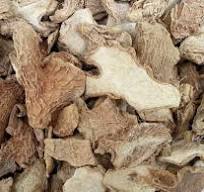
Dry Split Ginger Export from Nigeria; The Feasibility Report.
Ginger (Zingiber officinale) is one of Nigeria’s most valuable export crops, with annual production estimated at over 700,000 metric tonnes, mainly from Kaduna, Nasarawa, Benue, and Gombe States. Nigeria is recognized globally for producing high-quality ginger with strong aroma and high oil content, making it highly sought after in international markets. Among the various processed […]
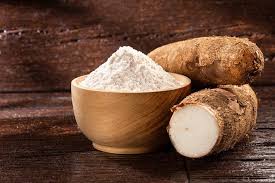
Feasibility Report on Cassava Tuber Cultivation and Cassava Flour Production in Nigeria
Cassava, botanically known as Manihot esculenta, is a tropical root crop whose hardy tubers serve as a cornerstone of food security and agribusiness opportunities in Nigeria. Cultivation of cassava tubers is widespread across the country’s southern and central agricultural belts, with states such as Oyo, Ogun, Kogi, Benue, and Delta cultivating the crop year‑round due […]
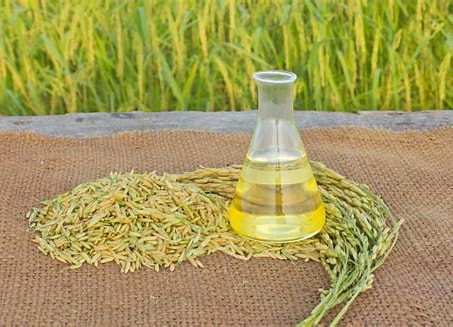
Feasibility Report on Rice Bran Oil Production & Export from Nigeria
Rice bran oil production represents one of the most promising but underutilized agro-processing opportunities in Nigeria. Derived from the outer layer of rice grains known as bran, rice bran oil has emerged as a valuable product in global food, cosmetic, pharmaceutical, and industrial markets. As global demand for healthier vegetable oils continues to increase, Nigeria—with […]
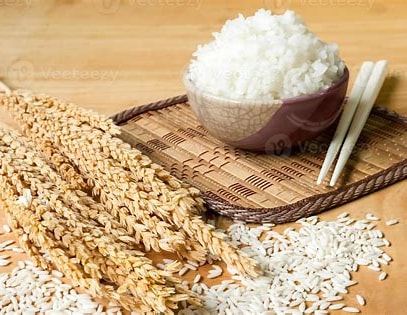
Feasibility Report on Mechanized Paddy Rice Cultivation, Milling and Packaging in Nigeria
Rice is one of the most widely consumed staple foods in Nigeria and across West Africa. It forms a major part of the daily diet of millions of households and is consumed in various forms such as boiled rice, jollof rice, fried rice, and several processed food products. With Nigeria’s rapidly growing population and increasing […]
Feasibility Report on Rice Milling and Packaging Business in Nigeria
Rice is one of the most consumed staple foods in Nigeria and across West Africa. Its popularity continues to grow due to urbanization, population growth, and changing dietary preferences. As a result, the demand for processed and packaged rice has expanded significantly in the country. Establishing a rice milling and packaging business in Nigeria is […]
Feasibility Report on Mechanized Rice Cultivation and Sales in Nigeria
Rice is one of the most widely consumed staple foods in Nigeria and across West Africa. It plays a vital role in the country’s food security, nutrition, and agricultural economy. In recent years, the demand for rice has increased significantly due to population growth, urbanization, and changing consumer preferences. However, local production has struggled to […]
Feasibility Report on Maize Cultivation and Corn Flakes Production in Nigeria
Maize (corn) is one of the most important cereal crops cultivated in Nigeria and across the world. It serves as a major staple food, livestock feed ingredient, and industrial raw material. The crop forms a critical component of Nigeria’s agricultural sector and plays a vital role in ensuring food security and supporting agro-processing industries. With […]
Feasibility Report on Maize Cultivation, Corn Flour, Maize Bran and Germ Production in Nigeria
Maize cultivation and processing represent one of the most important segments of the agricultural economy in Nigeria. Maize is a widely cultivated cereal crop that serves as a staple food for millions of Nigerians and also functions as a critical raw material for several agro-industrial activities. The crop is processed into various products including corn […]
Feasibility Report on Ogi Powder Production in Nigeria
Ogi powder production is an emerging agro-processing opportunity in Nigeria’s food industry. Ogi (also known as pap, akamu, or koko) is a fermented cereal-based food widely consumed across the country as a breakfast meal and infant weaning food. Traditionally, ogi is sold in wet slurry form, which has a short shelf life and requires refrigeration […]
Feasibility Report on Maize Cultivation in Nigeria
Maize (Zea mays) is one of the most important cereal crops in the world and a key staple food in Nigeria. It plays a crucial role in food security, livestock feed production, and industrial processing. In Nigeria, maize is cultivated across all agro-ecological zones and is grown by millions of smallholder farmers. The crop is […]
Maize & Corn Starch Production in Nigeria; The Feasibility Report.
Maize, commonly referred to as corn, is one of Nigeria’s most important staple crops, while corn starch, a refined derivative of maize, plays a critical role in food, pharmaceutical, and industrial applications. Nigeria’s abundant maize production, coupled with rising urban populations and expanding processed food industries, presents a strong case for investment in maize cultivation […]
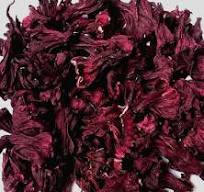
A Feasibility Report on Hibiscus Farming and Export from Nigeria
Nigeria possesses a favorable climate and fertile land suitable for cultivating various agricultural products, including hibiscus ( Hibiscus sabdariffa), known locally as “Zobo.” This vibrant flower has gained global popularity for its use in beverages, food products, and traditional medicine. Hibiscus is an annual or perennial shrub cultivated for its calyces (the fleshy sepals surrounding […]

Ginger Oil Production and Export from Nigeria; The Feasibility Report.
Nigeria, known for its agricultural diversity, possesses significant potential in the production and export of various agricultural commodities. Among these, ginger presents a particularly promising opportunity, especially in the production and export of ginger oil. T Ginger ( Zingiber officinale ) thrives in warm, humid climates with well-drained soil. Nigeria’s agro-ecological zones, particularly in the […]
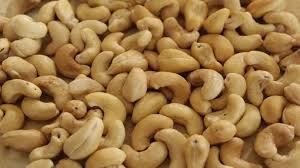
Raw Cashew and Dry Cocoa Beans Export From Nigeria; The Feasibility Report.
Until the late 1970’s when hydrocarbon was discovered in commercial quantity in Oloibiri, present day Bayelsa state, Agriculture remained the mainstay of the economy contributing over ninety percent (90%) of the Gross Domestic Product (GDP) of the country as against the less than forty percent (40%) it now contributes with crop production accounting for an […]
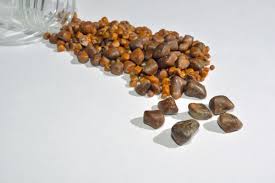
Processing And Export Of Gallstone In Nigeria; The Report
Gallstone is a crystalline concretion formed within the gallbladder by accretion of bile components. These calculi are formed in the gallbladder, but may pass distally into other parts of the biliary tract such as the cystic duct, common bile duct, pancreatic duct, or the ampulla of Vater.

Mango Juice Production in Nigeria; The Feasibility Report.
Fresh fruit juice is one of the chief sources of vitamin C (Ascorbic acid), required for the proper functioning of body’s inter cellular materials. It prevents some diseases from occurring. Deficiency of vitamin C leads to scurvy (bleeding of teeth gums) and failure of the body to form corrective tissue fibres.
Raw Cashew Nut Supply To Local Industries In Nigeria: The Feasibility Report
Cashew is the common name for a tropical and subtropical evergreen tree, Anacardium occidentale L., in the flowering plant family Anacardiaceae.
Cassava Flour Production In Nigeria, The Feasibility Report.
Cassava is the most important root crop in Nigeria. Apart from being a staple crop in both rural and urban households cassava is a major source of income to cassava farmers and processors in the rural areas.
Cassava alone contributes about 45% of agricultural GDP in Nigeria for food or domestic purposes but its industrial processing and utilization has been very limited.
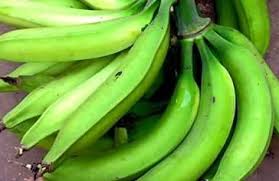
Plantain Cultivation and Plantain Flour Production in Nigeria; The Feasibility Report.
The consumption and exportation of plantain has risen tremendously in Nigeria in recent years because of the rapidly increasing urbanization and the great demand for easy and convenient foods by the non-farming urban populations.

Cassava Noodles Production in Nigeria; The Feasibility Report.
The main ingredients used in dried noodles are usually wheat flour, palm oil, and salt. Common ingredients in the flavoring powder are salt, monosodium glutamate, seasoning, and sugar.