
Palm Kernel Nuts Cracking And Sales In Nigeria, The Feasibility Report.
The market for palm kernel oil and cake is national. With a population of over 165 million people and an estimated national population growth rate of 5.7% per annum ,an average economic growth rate of 3.5% per annum in the past five {5} years, Nigeria has a large market for palm kernel oil and cake. The demand for palm kernel oil and cake is high but due to a short fall in the supply of raw material production is low.
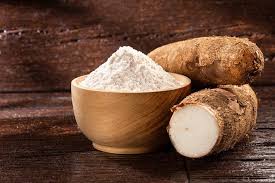
How To Establish And Run Cassava Farm Plantation In Nigeria (One Hundred Hectare); The Feasibility Report
Nigerian agriculture is characterized by considerable regional and crop diversity. Analysis of this sector, particularly the food sub-sector, is fraught with serious data problems. However, the available statistics provide a broad overview of development in agriculture upon which we can make some broad generalizations about its role in economic development and structural change in Nigeria.
Full Fat Soya Meal Production In Nigeria; The Feasibility Report
Soyabean (U.S.) or soya bean (UK) (Glycine max) is a species of legume native to East Asia, widely grown for its edible bean which has numerous uses. The plant is classed as an oilseed rather than a pulse by the Food and Agricultural Organization (FAO).

Mechanized Cassava Cultivation and Glucose Syrup Production in Nigeria; The Feasibility Report.
Glucose Syrup is an important sweetener in the food, confectionery and pharmaceutical industries. Currently, local production cannot meet the demand, hence, the local requirement is being met through importation.
Cassava Tuber Cultivation and Garri Production in Nigeria; The Feasibility Report.
Cassava is one of the most important root crops in Nigeria. Apart from being a staple crop in both rural and urban house-holds cassava is a major source of income to cassava farmers and processors in the rural areas.
Cowpea (Beans) Flour Production In Nigeria, The Feasibility Report
Cowpea grain contains about 25% protein, and 64% carbohydrate and its potential in the alleviation of malnutrition among resource poor farmers is inestimable.
Refining, Bleaching, Deodorizing And Packaging Of Palm Kernel Oil In Nigeria, The Feasibility Report.
Vegetable oil and fat resources are indispensable to mankind as a source of nutrient and industrial raw materials. Crude vegetable oil obtained from various oil milling units is further refined before use for edible purposes.
Refined edible oil is a process where free fatty acids are volatized, condensed and recovered simultaneously with vacuum de-colouring operation. Sometimes, refining process is limited to simple physical treatment such as heating and filtering in regard to refining of superior quality of crude oil.
Generally the cake in the oil is separated by centrifuge, decolouring by active clay and steam deodorization at high temperature in vacuum up to 5 mm. Hg.
Palm Kernel Nut And Shell Trading In Nigeria; The Feasibility Report.
Until the late 1970’s when hydrocarbon was discovered in commercial quantity in Oloibiri, present day Bayelsa state, Agriculture remained the mainstay of the economy contributing over 90% of the Gross Domestic Product (GDP) of the country as against the less than 40% it now contributes with crop production accounting for an estimated 85%, livestock 10% and the balance made up by fisheries and forestry.
Garri and Odourless Fufu Flour Production in Nigeria; The Feasibility Report.
Cassava is one of the most important root crops in Nigeria. Apart from being a staple crop in both rural and urban house-holds cassava is a major source of income to cassava farmers and processors in the rural areas.
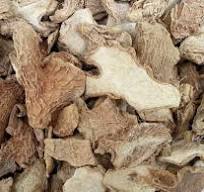
Commodity Packaging and Export in Nigeria (Dry Split Ginger, Sesame Seed and Hibiscus Flower); The Feasibility Report.
Nigeria has comparative advantage in the production ginger, sesame seed and hibiscus flower in Africa over her counterparts due to the large arable land available for production and the conducive climatic condition.
Vegetable Oil Production from Soya Beans Seed; The Feasibility Report.
The market for vegetable oil and soya bean cake is national. With a population of over 165 million people and an estimated national population growth rate of 5.7% per annum ,an average economic growth rate of 3.5% per annum in the past five {5} years, Nigeria has a large market for edible oil.
The demand is high but local supply low hence the need for importation in the past. Industry data suggest that Nigerian consumers use more than one million {1,000,000} tones of vegetable oil annually.
Cowpea (Beans) Seeds Cultivation, Cleaning and Sales; The Feasibility Report.
Cowpeas are one of the most important food legume crops in the semi-arid tropics covering Asia, Africa, southern Europe and Central and South America. A drought-tolerant and warm-weather crop, cowpeas are well-adapted to the drier regions of the tropics, where other food legumes do not perform well.
It also has the useful ability to fix atmospheric nitrogen through its root nodules, and it grows well in poor soils with more than 85% sand and with less than 0.2% organic matter and low levels of phosphorus.
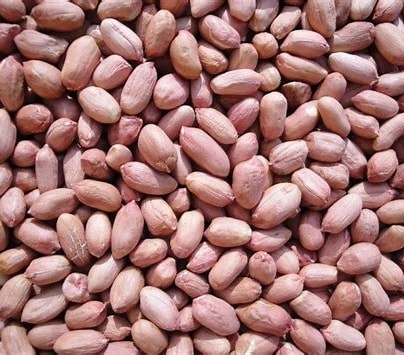
How To Make Huge Profit Supplying Groundnut Seeds To Local Industries In Nigeria.
Groundnuts also have a variety of industrial end uses. Paint, varnish, lubricating oil, leather dressings, furniture polish, insecticides, and nitroglycerin are made from groundnut oil.
How To Make Huge Profit Supplying Soya Beans To Local Industries In Nigeria.
Nigeria presently produces about 500,000 MT of Soybean annually making it the largest producer of the product on the African continent. Soybean is a legume which is produced in most the middle belt of the country with Benue state accounting for about 45% of the total production in country.
How To Make Money Cultivating, Buying And Selling Of Cassava Tubers In Nigeria
Cassava, the chief raw material used in the production of cassava flour, cassava starch and garri is grown almost all the states in Nigeria with an estimated annual production of 40 million tones.
Palm Kernel Oil Production In Nigeria, The Feasibility Report.
Palm kernel oil {PKO} is derived from the milling of cracked palm kernel nuts while palm kernel cake is a bye-product gotten from the processing of palm kernel oil. It forms a very important part of the feeds of animal.
Mechanized Soya Bean Cultivation, Cleaning and Export in Nigeria; The Feasibility Report.
Soya bean is one of the most common food crops grown and consumed in many parts of Africa.
How To Establish And Run A Oil Palm Plantation In Nigeria, The Feasibility Report.
From being the world’s leading producer and exporter of palm oil in the 1960s, Nigeria has fallen to being a net importer to meet the growing domestic demand. Demand is primarily driven by the household consumers who prefer to consume the technical palm oil (TPO) because of its flavor profile, but it is complemented by an increasing demand for the special palm oil (SPO) which can then be fractionated into RBD to meet the needs of industrial processors.
Cassava Starch Production In Nigeria, The Feasibility Report.
Cassava (Manihort Esculentus (Euphorbiacea)) is grown in all the states of the Federation with the current production level being about 45 million metric tones per annum; a figure expected to double by 2020. Nigeria is the leading cassava producer in the world, producing a third more than Brazil and almost double the production capacity of Thailand and Indonesia.
Although it is the world leader in cassava production, 90% of the annual production in Nigeria is targeted for the domestic food market.
Establishing and Operating An Oil Palm Plantation and Processing Plant in Nigeria; The Feasibility Report.
Nigeria is now a net importer of the product. Nigeria produces only one million, three hundred thousand (1,300,000) metric tons of vegetable oil and imports over three hundred and fifty thousand (350,000) metric tons of vegetable oil annually, expending an average of the naira equivalent of USD 500 million in foreign exchange.