
How To Make Huge Profit Supplying Palm Oil To Local Industries In Nigeria.
Palm oil forms an important part of the local diet in Nigeria because animal fats such as milk and butter are hardly consumed. It is used both as a cooking material and as an ingredient in soups, sauces and a variety of local dishes. The product is also needed for the industrial production of soap and confectioneries.
Soy-Ogi Powder Production in Nigeria; The Feasibility Report.
“Ogi” is a fermented product made from maize. Traditionally, it is obtained in wet form and serves as breakfast cereal for both children and adults. “Ogi” prepared by the traditional method has short shelf-life, and therefore, requires adequate processing to make it shelf-stable and of high quality.
It is low in protein content due to low protein content of maize. Soy-Ogi is Ogi fortified with soybeans to improve its protein content.
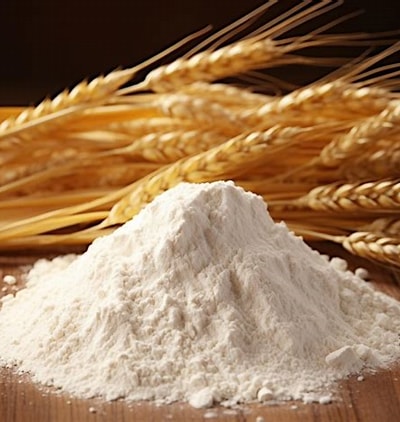
Production Of Wheat Flour In Nigeria, The Pre-Feasibility Report
Nigerian agriculture is characterized by considerable regional and crop diversity. Analysis of this sector, particularly the food sub-sector, is fraught with serious data problems. However, the available statistics provide a broad overview of development in agriculture upon which we can make some broad generalizations about its role in economic development and structural change in Nigeria.
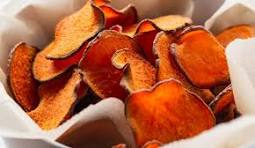
Sweet Potatoes Chips Production in Nigeria; The Feasibility Report.
Frozen Potato Chips is a product derived from potato that is frozen to preserve them before actual preparation/use. Frozen Potato Chip is a product that takes off the stress as it is easy to prepare. Frozen Potato Chips when prepared/fried are called French fries. French fries are batons of deep-fried potato.
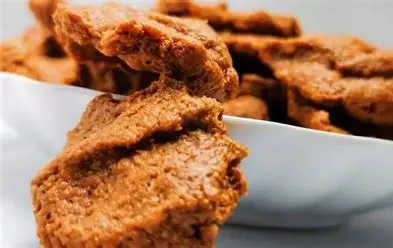
Kulikuli Production in Nigeria; The Feasibility Report.
Kuli-kuli is traditionally Hausa snack that is primarily made from peanuts. But today, “Kulikuli” has become a popular snack in Nigeria and its consumption cut across ethnic groups in Nigeria. It is often eaten alone or with a mixture of garri, sugar and water popularly called “garri soakings”.
Mechanized Cassava Cultivation and Ethanol Production in Nigeria; The Feasibility Report.
Ethanol is generally produced by the fermentation of sugar, cellulose, or converted starch and has a long history. In Nigeria, local production of ethanol from maize, guinea corn, millet, other starchy substrates, and cellulose is as old as the country itself.
Potato Chips Production In Nigeria; The Feasibility Report
Nigeria a country blessed with diverse climatic and soil condition for the production of different agricultural produce, is the leading producer of sweet potato in Sub-Saharan Africa producing about 3,460,000 MT of sweet potatoes annually.
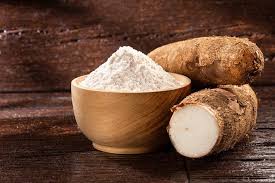
Cassava Starch, Flour And Garri Production In Nigeria, The Feasibility Report.{Multi Purpose Cassava Processing Plant}
Cassava is one of the most important root crops in Nigeria. Apart from being a staple crop in both rural and urban house-holds cassava is a major source of income to cassava farmers and processors in the rural areas.
Cassava Starch and Garri Production in Nigeria; The Feasibility Report.
Cassava is one of the most important root crops in Nigeria. Apart from being a staple crop in both rural and urban house-holds cassava is a major source of income to cassava farmers and processors in the rural areas.
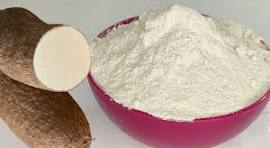
Frozen Yam Chips Production in Nigeria, The Feasibility Report.
The average consumption rate of yam and it bye-products in Nigeria is estimated at 0.5 – 1.0 kg daily.
Garri Production In Nigeria; The Feasibility Report.
Garri, a product gotten from the processing of cassava tubers is a very important staple food item in Nigeria. It is one of the food items that defy socio-economic class, religious and ethic boundaries, It is doubtful if it is not eaten daily in one of every two homes in the country.
Sesame Oil and Cake Production in Nigeria; How To Write Business Plans in Nigeria.
Sesame seeds (or sesamum or benniseed) are the seeds of the tropical annual Sesamumindicum. Sesame production in Nigeria probably began in the middle belt region of the country and later spread out between latitudes 6o and 10o N. Sesame is commonly grown by smallholder farmers. The major producing areas in order of priority are Nasarawa, […]