
Ogi Powder Production in Nigeria; The Feasibility Report.
“Ogi” is a fermented product made from maize. Traditionally, it is obtained in wet form and serves as breakfast cereal for both children and adults. “Ogi” prepared by the traditional method has short shelf-life, and therefore, requires adequate processing to make it shelf-stable and of high quality.
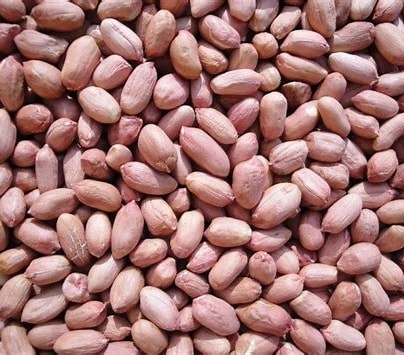
Refined Groundnut Oil and Meal Production in Nigeria; The Feasibility Report.
Groundnut oil is also one of the edible oils that are in very high demand. Groundnut oil is majorly used for cooking food and for the production of soap, margarine, and cosmetics.
Palm Kernel Oil Production In Nigeria, The Feasibility Report.
Palm kernel oil {PKO} is derived from the milling of cracked palm kernel nuts while palm kernel cake is a bye-product gotten from the processing of palm kernel oil. It forms a very important part of the feeds of animal.
Kunu Drink Production and Preservation in Nigeria; The Feasibility Report.
Kunu prepared by the traditional method has short shelf-life, and therefore, requires adequate preservation to make it shelf-stable and of high keeping quality.
There are various types of kunu and they are Kunun zaki, Kunun gyada, Kunun akamu, Kunun tsamiya, Kunun baule, Kunun jiko, Amshau and Kunun gayamba. Kunun zaki was the most commonly consumed.
Mechanized Soya Bean Cultivation and Sales in Nigeria; The Feasibility Report.
Soya Bean is a leguminous crop whose importance and economic benefits cannot be over emphasized. Products that can be gotten from Soya Bean include Soy Cake, Soy oil, Full Fat Soya, Soy meal, soy meal, soy flour, soy milk, tofu, textured vegetable protein amongst other things.
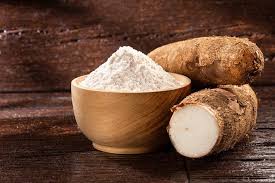
Cassava Tuber Cultivation and Production of Cassava Starch in Nigeria; The Feasibility Report.
Cassava is the most important root crop in Nigeria. Apart from being a staple crop in both rural and urban household’s cassava is a major source of income to cassava farmers and processors in the rural areas.

Bread Production In Nigeria, The Feasibility Report.
Bread is a staple food prepared by baking dough of flour and water. It is popular around the world and is one of the world's oldest foods.
Processing Of Oil Palm Seed { Fresh Fruit Bunch} To Produce Palm Oil And Palm Kernel Nuts In Nigeria; The Feasibility Report.
Until the late 1970’s when hydrocarbon was discovered in commercial quantity in Oloibiri, present day Bayelsa state, Agriculture remained the mainstay of the economy contributing over 90% of the Gross Domestic Product (GDP) of the country as against the less than 40% it now contributes with crop production accounting for an estimated 85%, livestock 10% and the balance made up by fisheries and forestry.
Garri, Peanut, Milk and Sugar Packaging and Sales in Nigeria; The Feasibility Report.
Gari, as commonly called in Nigeria, is a product derived from cassava and which Nigeria is the largest producer of cassava in the world with a yield of about fifty-four (54,000,000) million tonnes of cassava in 2013.
Mechanized Soya Bean Cultivation and Soy Flour Production; The Feasibility Report.
Soy flour, derived from ground soybeans, boosts protein, brings moisture to baked goods, and provides the basis for some soymilks and textured vegetable protein. This versatile ingredient improves taste and texture of many common foods and often reduces the fat absorbed in fried foods. The taste of soy flour varies from a “beany” flavor to a sweet and mild flavor, depending on how it is processed.
Soy-Ogi Powder Production in Nigeria; The Feasibility Report.
“Ogi” is a fermented product made from maize. Traditionally, it is obtained in wet form and serves as breakfast cereal for both children and adults. “Ogi” prepared by the traditional method has short shelf-life, and therefore, requires adequate processing to make it shelf-stable and of high quality.
It is low in protein content due to low protein content of maize. Soy-Ogi is Ogi fortified with soybeans to improve its protein content.
Mechanized Soya Bean Cultivation and Soy – Dawadawa Production in Nigeria; The Feasibility Report.
Soy bean was introduced into Nigeria in 1908; it was first planted in Ibadan, Oyo State. Initially the crop was cultivated for export with the support and encouragement of Groundnut Board. Nigeria presently produces about 500,000 MT of Soybean annually making it the largest producer of the product on the African continent. Soybean is a legume which is produced in most the middle belt of the country with Benue state accounting for about 45% of the total production in country.
Mechanized Cassava Cultivation, Starch and Garri Production in Nigeria, The Feasibility Report.
Cassava is the most important root crop in Nigeria. Apart from being a staple crop in both rural and urban household’s cassava is a major source of income to cassava farmers and processors in the rural areas.
Cassava alone contributes about 45% of agricultural GDP in Nigeria for food or domestic purposes but its industrial processing and utilization has been very limited.
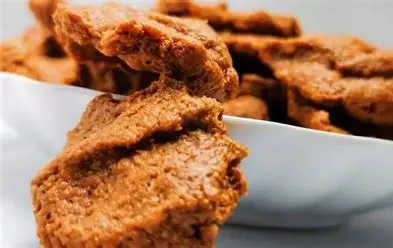
Kulikuli Production in Nigeria; The Feasibility Report.
Kuli-kuli is traditionally Hausa snack that is primarily made from peanuts. But today, “Kulikuli” has become a popular snack in Nigeria and its consumption cut across ethnic groups in Nigeria. It is often eaten alone or with a mixture of garri, sugar and water popularly called “garri soakings”.
Cassava Starch, Flour And Garri Production In Nigeria, The Feasibility Report.{Multi Purpose Cassava Processing Plant}
Cassava is one of the most important root crops in Nigeria. Apart from being a staple crop in both rural and urban house-holds cassava is a major source of income to cassava farmers and processors in the rural areas.
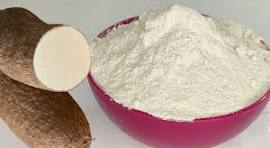
Frozen Yam Chips Production in Nigeria, The Feasibility Report.
The average consumption rate of yam and it bye-products in Nigeria is estimated at 0.5 – 1.0 kg daily.
Garri Production In Nigeria; The Feasibility Report.
Garri, a product gotten from the processing of cassava tubers is a very important staple food item in Nigeria. It is one of the food items that defy socio-economic class, religious and ethic boundaries, It is doubtful if it is not eaten daily in one of every two homes in the country.