
Setting Up A Liquefied Petroleum Gas ({Lpg) Skid Filling Plant In Nigeria; The Pre-Feasibility Report
Petroleum products are among the most valuable natural resources abundantly available in our country. Nigerians and people everywhere use petroleum products as a fuel in their automobiles, generating sets, industrial plants and for cooking purposes, thus making petroleum products an essential commodity that is needed for the daily operations of individual, industrial and national activities.
Mechanized Soya Bean Cultivation and Soy Flour Production; The Feasibility Report.
Soy flour, derived from ground soybeans, boosts protein, brings moisture to baked goods, and provides the basis for some soymilks and textured vegetable protein. This versatile ingredient improves taste and texture of many common foods and often reduces the fat absorbed in fried foods. The taste of soy flour varies from a “beany” flavor to a sweet and mild flavor, depending on how it is processed.
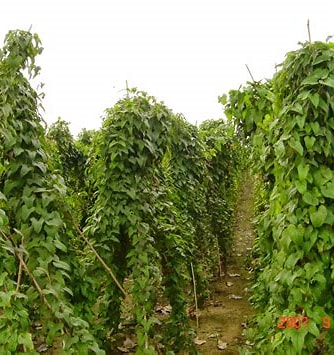
How to Establish and Run a Yam Plantation in Nigeria (100 Hectares); The Feasibility Report.
Yam is grown on free draining, sandy and fertile soil, after clearing the first fallow. Land is prepared in the form of mound or ridge or heap of 1 metre (3 ft 3 in) height. The yams recommended for such soil conditions in Nigeria are white yam or white guinea yam (Discorea rotundata) and water yam or yellow yam (Discorea alata). Planting is done by seed yam or cut setts from ware tubers.
Soy-Ogi Powder Production in Nigeria; The Feasibility Report.
“Ogi” is a fermented product made from maize. Traditionally, it is obtained in wet form and serves as breakfast cereal for both children and adults. “Ogi” prepared by the traditional method has short shelf-life, and therefore, requires adequate processing to make it shelf-stable and of high quality.
It is low in protein content due to low protein content of maize. Soy-Ogi is Ogi fortified with soybeans to improve its protein content.
Mechanized Soya Bean Cultivation and Soy – Dawadawa Production in Nigeria; The Feasibility Report.
Soy bean was introduced into Nigeria in 1908; it was first planted in Ibadan, Oyo State. Initially the crop was cultivated for export with the support and encouragement of Groundnut Board. Nigeria presently produces about 500,000 MT of Soybean annually making it the largest producer of the product on the African continent. Soybean is a legume which is produced in most the middle belt of the country with Benue state accounting for about 45% of the total production in country.
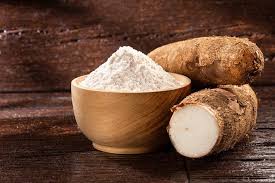
Mechanized Cassava Cultivation, Starch and Garri Production in Nigeria, The Feasibility Report.
Cassava is the most important root crop in Nigeria. Apart from being a staple crop in both rural and urban household’s cassava is a major source of income to cassava farmers and processors in the rural areas.
Cassava alone contributes about 45% of agricultural GDP in Nigeria for food or domestic purposes but its industrial processing and utilization has been very limited.
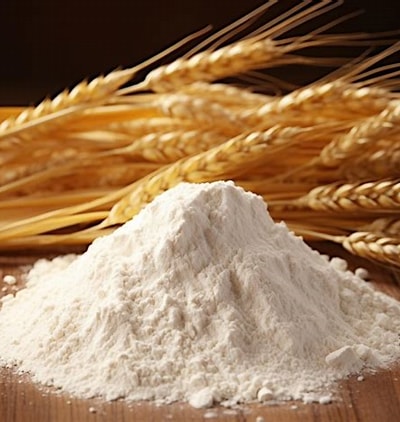
Production Of Wheat Flour In Nigeria, The Pre-Feasibility Report
Nigerian agriculture is characterized by considerable regional and crop diversity. Analysis of this sector, particularly the food sub-sector, is fraught with serious data problems. However, the available statistics provide a broad overview of development in agriculture upon which we can make some broad generalizations about its role in economic development and structural change in Nigeria.
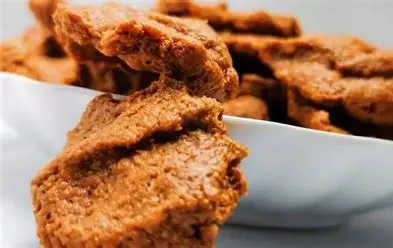
Kulikuli Production in Nigeria; The Feasibility Report.
Kuli-kuli is traditionally Hausa snack that is primarily made from peanuts. But today, “Kulikuli” has become a popular snack in Nigeria and its consumption cut across ethnic groups in Nigeria. It is often eaten alone or with a mixture of garri, sugar and water popularly called “garri soakings”.
How To Make Huge Profit Supplying Palm Kernel Nuts To Local Industries In Nigeria.
The Market palm kernel oil and palm kernel cake is huge, sustainable and expanding. The estimated size of the local market is put at about N4.24 billion for Palm kernel oil while the market for Palm Kernel Cake is estimated at N3.3 billion.
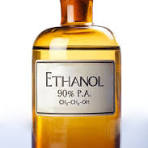
Mechanized Cassava Cultivation and Ethanol Production in Nigeria; The Feasibility Report.
Ethanol is generally produced by the fermentation of sugar, cellulose, or converted starch and has a long history. In Nigeria, local production of ethanol from maize, guinea corn, millet, other starchy substrates, and cellulose is as old as the country itself.
ESTABLISING A LIQUIFIED PETROLUEM GAS (LPG) TANK FARM AND RETAIL STATION IN NIGERIA; THE FEASIBILITY REPORT.
A statistic for the country some years ago showed that a mere five percent (5%) of the consumption potentials of liquefied petroleum gas (LPG) were attained.
With huge gas reserves of two hundred and two trillion (202,000,000,000,000) cubic feet (cf) and the Nigerian government’s strong commitment to developing the gas industry through the Gas Master Plan, there are a lot of emerging opportunities for investors in the sub- sector.
With less than one (1) kilogramme per capita consumption, Nigeria ranks among the lowest liquefied petroleum gas consuming states in Africa despite its huge gas resources.
Cassava Starch, Flour And Garri Production In Nigeria, The Feasibility Report.{Multi Purpose Cassava Processing Plant}
Cassava is one of the most important root crops in Nigeria. Apart from being a staple crop in both rural and urban house-holds cassava is a major source of income to cassava farmers and processors in the rural areas.
Cassava Starch and Garri Production in Nigeria; The Feasibility Report.
Cassava is one of the most important root crops in Nigeria. Apart from being a staple crop in both rural and urban house-holds cassava is a major source of income to cassava farmers and processors in the rural areas.
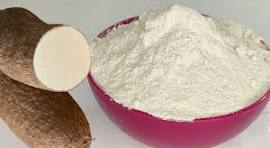
Frozen Yam Chips Production in Nigeria, The Feasibility Report.
The average consumption rate of yam and it bye-products in Nigeria is estimated at 0.5 – 1.0 kg daily.
Garri Production In Nigeria; The Feasibility Report.
Garri, a product gotten from the processing of cassava tubers is a very important staple food item in Nigeria. It is one of the food items that defy socio-economic class, religious and ethic boundaries, It is doubtful if it is not eaten daily in one of every two homes in the country.