

Gypsum Board Production in Nigeria; The Feasibility Report.
The growth and demand for gypsum board in this sector has been further strengthened by the boom in the Nigerian real estate sector, which is growing faster than the average GDP at a rate of 8.7 percent (GDP growth at 7.4 percent). The growth in the hospitality industry and the advent of new malls, commercial complexes and multiplexes also lend support to the growth prospects of this industry.
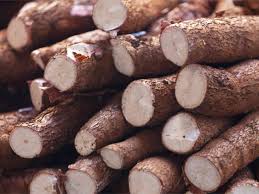
Cassava Tuber Cultivation And Cassava Starch Production In Nigeria, The Feasibility Report
Cassava is the most important root crop in Nigeria. Apart from being a staple crop in both rural and urban household’s cassava is a major source of income to cassava farmers and processors in the rural areas.
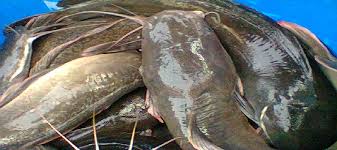
Catfish Farming, Processing (Smoking) and Packaging in Nigeria; The Feasibility Report.
The capacity of the proposed farm is thirty-six thousand (36,000) juveniles per production cycle of about five- six months to reach 1.5 kg table size with mortality rate of two percent (2%). After smoking we expect the weight to be around one (1) kg or more. The farm would have two production cycle in a year. The production capacity of the kiln would be three hundred (300) kg per day and it would operate at 80% of the installed capacity.

Waste (Trash) Bag Production In Nigeria; (From 50% Virgin Material And 50% Secondary Recycled Material); The Feasibility Report
Proper management of solid waste is critical to the health and well-being of urban residents. In Lagos metropolis, like most cities in the developing world, several tons of municipal solid waste is left uncollected on the streets each day, clogging drains, creating feeding ground for pests that spread disease and creating a myriad of related health and infrastructural problems.
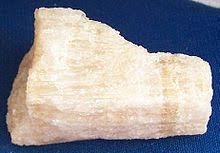
Gypsum Mining, Gypsum Powder and Gypsum Board Production in Nigeria; The Feasibility Report.
Gypsum is a hydrated sulphate of calcium, found usually in clays and limestone, sometimes associated with sulphur. It is the principal commercial form of hydrated calcium sulphate (CaSO42H2O). It is usually formed by either the evaporation of salt in shallow inland seas or by the decomposition of pyrite (FeS) in the presence of calcium carbonate.

Palm Oil Production in Nigeria; The Feasibility Report.
Palm oil forms an important part of the local diet in Nigeria because animal fats such as milk and butter are hardly consumed. It is used both as a cooking material and as an ingredient in soups, sauces and a variety of local dishes.
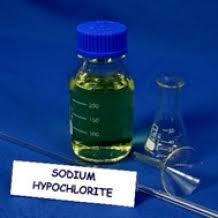
Sodium Hypochlorite Production in Nigeria (Using Salt Brine As Raw Materials); The Feasibility Report.
Sodium Hypochlorite (NaOcCl) is a pale greenish liquid also known as soda bleach or liquid bleach. Sodium hypochlorite is a basic inorganic chemical with a wide variety of uses. It is used within industry to manufacture other substances, to treat textiles and as a powerful biocide for industrial sites (such as treatment of water for cooling systems).
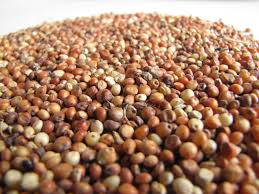
Sorghum Flour Production in Nigeria; The Feasibility Report.
Sorghum (Sorghum bicolor (L.) Moench) is a cultivated tropical cereal grass. It is generally, although not universally, considered to have first been domesticated in North Africa, possibly in the Nile or Ethiopian regions as recently as 1000 BC1. The cultivation of sorghum played a crucial role in the spread of the Bantu (black) group of people across sub-Saharan Africa.

Plantain Flour Production In Nigeria,The Feasibility Report.
Plantain flour apart from been used as a substitute for garri especially for diabetic patients , also serve as a raw material used in the production of cakes,puff-puff,biscuit ,bread and pan cakes.
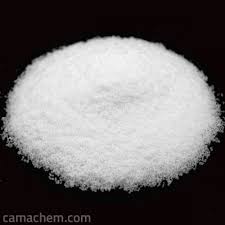
Caustic Soda (Sodium Hydroxide) Production in Nigeria (Using Salt Brine As Raw Material); The Feasibility Report.
Caustic Soda is also known as Sodium Hydroxide (NaOH). It is an important industrial chemical product produced in both liquid & solid form. It is deliquescent, absorbing water vapour and carbon dioxide from the air.
Caustic soda or sodium hydroxide, is a white crystalline solid substance which usage cuts across virtually all the sectors of the economy chemical, textile, pharmaceutical, oil and gas.
Cassava Tapioca Production in Nigeria; The Feasibility Report.
Tapioca is the starch extracted from the cassava root. Tapioca is one of the purest forms of starch food and it has a neutral flavor and strong gelling power, making it highly useable as a thickening agent in both sweet and savory foods.

Plastic Storage Tanks Production in Nigeria; The Feasibility Report.
Plastic have played a vital role in the growth phase of the Nigerian economy and continue to do so. From packaging to agriculture, automobiles and electronics plastics have revolutionized all areas because of its functionality, economics, aesthetics and reliability.

GUM ARABIC PROCESSING IN NIGERIA, THE FEASIBILITY REPORT.
Gum Arabic is a leguminous tree species that is well adapted to Sudan and Sahalian agro-ecology of Africa. There are over 300 species in this family. Notable among them is Acacia Senegal because it produces grade 1 quality gum. Its distribution is localized in Africa.
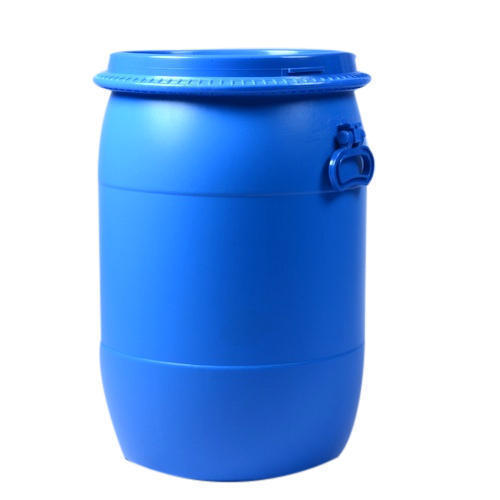
220 L HDPE Double L – Ring Drum Production In Nigeria; The Feasibility Report.
Plastic containers are replacing conventional metal containers and glass containers because of their comparatively better properties and ease of handling and transportation.
Small size plastic containers are used for packing of drugs, pharmaceuticals, insecticides, food items etc. The plastic blow moulded containers are made from HDPE, HMHDPE, LDPE, PP etc. Blow moulded plastic containers are finding great demand in modern era.

Mechanized Castor Cultivation and Oil Production in Nigeria; The Feasibility Report.
Castor oil, produced from castor beans, has long been considered to be of important commercial value primarily for the manufacturing of soaps, lubricants, and coatings, among others. Castor oil has long been used commercially as a highly renewable resource for the chemical industry.
Palm Kernel Nuts Cracking And Sales In Nigeria, The Feasibility Report.
The market for palm kernel oil and cake is national. With a population of over 165 million people and an estimated national population growth rate of 5.7% per annum ,an average economic growth rate of 3.5% per annum in the past five {5} years, Nigeria has a large market for palm kernel oil and cake. The demand for palm kernel oil and cake is high but due to a short fall in the supply of raw material production is low.
Soy – Dawadawa Production From Soya Beans Seed; The Feasibility Report
Soya bean is an important source of high quality and inexpensive protein and oil. With an average protein content of 40% and oil content of 20%, soybean has the highest protein content of all food crops and is second only to groundnuts in terms of oil content amongst food legumes.
Nigeria presently produces about 500,000 MT of Soybean annually making it the largest producer of the product on the African continent. Soya bean is a legume which is produced in most the middle belt of the country with Benue state accounting for about 45% of the total production in country.
Full Fat Soya Meal Production In Nigeria; The Feasibility Report
Soyabean (U.S.) or soya bean (UK) (Glycine max) is a species of legume native to East Asia, widely grown for its edible bean which has numerous uses. The plant is classed as an oilseed rather than a pulse by the Food and Agricultural Organization (FAO).

Mechanized Cassava Cultivation and Glucose Syrup Production in Nigeria; The Feasibility Report.
Glucose Syrup is an important sweetener in the food, confectionery and pharmaceutical industries. Currently, local production cannot meet the demand, hence, the local requirement is being met through importation.
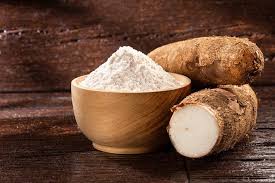
Cassava Tuber Cultivation and Garri Production in Nigeria; The Feasibility Report.
Cassava is one of the most important root crops in Nigeria. Apart from being a staple crop in both rural and urban house-holds cassava is a major source of income to cassava farmers and processors in the rural areas.