
Cowpea (Beans) Flour Production In Nigeria, The Feasibility Report
Cowpea grain contains about 25% protein, and 64% carbohydrate and its potential in the alleviation of malnutrition among resource poor farmers is inestimable.
Refining, Bleaching, Deodorizing And Packaging Of Palm Kernel Oil In Nigeria, The Feasibility Report.
Vegetable oil and fat resources are indispensable to mankind as a source of nutrient and industrial raw materials. Crude vegetable oil obtained from various oil milling units is further refined before use for edible purposes.
Refined edible oil is a process where free fatty acids are volatized, condensed and recovered simultaneously with vacuum de-colouring operation. Sometimes, refining process is limited to simple physical treatment such as heating and filtering in regard to refining of superior quality of crude oil.
Generally the cake in the oil is separated by centrifuge, decolouring by active clay and steam deodorization at high temperature in vacuum up to 5 mm. Hg.
Groundnut Paste (Peanut Butter) Production in Nigeria; The Feasibility Report.
Groundnut paste is a smooth paste made from dry-roasted peanuts, sometimes with added salt or sugar. It is a popular food in Australia, parts of Asia, parts of Europe and North America.
Garri and Odourless Fufu Flour Production in Nigeria; The Feasibility Report.
Cassava is one of the most important root crops in Nigeria. Apart from being a staple crop in both rural and urban house-holds cassava is a major source of income to cassava farmers and processors in the rural areas.
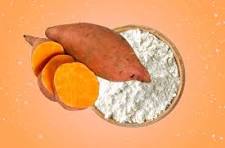
Sweet Potatoes Flour Production in Nigeria; The Feasibility Report.
The demand for the product is quite enormous and very high in Nigeria. The raw material (Sweet Potato) is also readily available. The production technology is simple and the equipment’s are locally fabricated.

Liquid Glucose Syrup Production From Cassava Tubers in Nigeria; The Feasibility Report.
Glucose Syrup is an important sweetener in the food, confectionery and pharmaceutical industries. Currently, local production cannot meet the demand, hence, the local requirement is being met through importation.
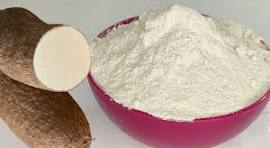
Instant Pounded Yam Flour Production; The Feasibility Report.
Yam {Dioscorea spp.} is an important food crop especially in the yam zone of West Africa. Although more than six hundred species of the tuber exist, only a few are important as staple food in the tropics. These include white yam (D. rotundata), yellow yam (D. Cayenensis), water yam (D. alata), trifoliate yam (D. dumetorum), aerial yam (D. bulbifera) and Chinese yam (D. esculenta).

Cassava Based Adhesive Production In Nigeria; The Feasibility Report
Cassava is the most important root crop in Nigeria. Apart from being a staple crop in both rural and urban households cassava is a major source of income to cassava farmers and processors in the rural areas.
Cassava alone contributes about 45% of agricultural GDP in Nigeria for food or domestic purposes but its industrial processing and utilization has been very limited.
Vegetable Oil Production from Soya Beans Seed; The Feasibility Report.
The market for vegetable oil and soya bean cake is national. With a population of over 165 million people and an estimated national population growth rate of 5.7% per annum ,an average economic growth rate of 3.5% per annum in the past five {5} years, Nigeria has a large market for edible oil.
The demand is high but local supply low hence the need for importation in the past. Industry data suggest that Nigerian consumers use more than one million {1,000,000} tones of vegetable oil annually.
Cowpea (Beans) Seeds Cultivation, Cleaning and Sales; The Feasibility Report.
Cowpeas are one of the most important food legume crops in the semi-arid tropics covering Asia, Africa, southern Europe and Central and South America. A drought-tolerant and warm-weather crop, cowpeas are well-adapted to the drier regions of the tropics, where other food legumes do not perform well.
It also has the useful ability to fix atmospheric nitrogen through its root nodules, and it grows well in poor soils with more than 85% sand and with less than 0.2% organic matter and low levels of phosphorus.
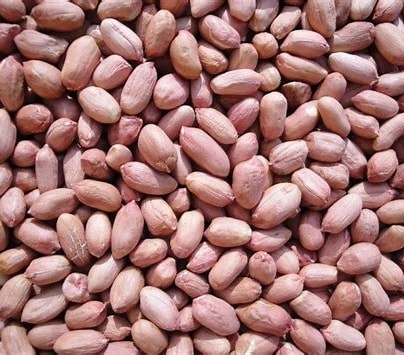
Vegetable Oil Production From Groundnut Seed; The Feasibility Report.
Vegetable oil are edible oil used as cooking or frying oil at homes and industrially ,they are used in the production of soaps,cream,butter and margarine. It is liquid at room temperature and when pure is golden yellow in colour. Cake a bye-product in the production of vegetable is very useful in the production of animal feeds.
Cowpea (Beans) Seed Cultivation and Cowpea (Beans) Flour Production in Nigeria; The Feasibility Report.
More than eleven (11,000,000) million hectares are harvested worldwide, 97% of which is in Africa. Nigeria harvests 4.5 million hectares annually. The crop can be harvested in three stages: while the pods are young and green, mature and green, and dry.

Lubricant / Engine Oil Production in Nigeria; The Feasibility Report.
Engine / Lube oil is a substance (often a liquid) introduced between two moving surfaces to reduce the friction between them, improving efficiency and reducing wear. They may also have the function of dissolving or transporting foreign particles and of distributing heat.
Ogi Powder Production in Nigeria; The Feasibility Report.
“Ogi” is a fermented product made from maize. Traditionally, it is obtained in wet form and serves as breakfast cereal for both children and adults. “Ogi” prepared by the traditional method has short shelf-life, and therefore, requires adequate processing to make it shelf-stable and of high quality.
Refined Groundnut Oil and Meal Production in Nigeria; The Feasibility Report.
Groundnut oil is also one of the edible oils that are in very high demand. Groundnut oil is majorly used for cooking food and for the production of soap, margarine, and cosmetics.
Palm Kernel Oil Production In Nigeria, The Feasibility Report.
Palm kernel oil {PKO} is derived from the milling of cracked palm kernel nuts while palm kernel cake is a bye-product gotten from the processing of palm kernel oil. It forms a very important part of the feeds of animal.
Production Of Edible Ethanol 95.5% Alcohol From Cassava Tubers In Nigeria, The Feasibility Report
Ethanol, also called ethyl alcohol; can be used as fuel alcohol, drinking alcohol, and grain alcohol. The common type of ethanol is the one found in alcoholic beverages. It is also used as fuel for cars and often called alcohol or spirit.
Ethanol is generally produced by the fermentation of sugar, cellulose, or converted starch and has a long history. In Nigeria, local production of ethanol from maize, guinea corn, millet, other starchy substrates, and cellulose is as old as the country itself.
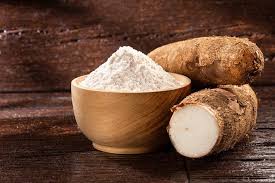
Cassava Starch Production In Nigeria, The Feasibility Report.
Cassava (Manihort Esculentus (Euphorbiacea)) is grown in all the states of the Federation with the current production level being about 45 million metric tones per annum; a figure expected to double by 2020. Nigeria is the leading cassava producer in the world, producing a third more than Brazil and almost double the production capacity of Thailand and Indonesia.
Although it is the world leader in cassava production, 90% of the annual production in Nigeria is targeted for the domestic food market.
Establishing and Operating An Oil Palm Plantation and Processing Plant in Nigeria; The Feasibility Report.
Nigeria is now a net importer of the product. Nigeria produces only one million, three hundred thousand (1,300,000) metric tons of vegetable oil and imports over three hundred and fifty thousand (350,000) metric tons of vegetable oil annually, expending an average of the naira equivalent of USD 500 million in foreign exchange.
Cassava Chips Production in Nigeria; The Feasibility Report.
The demand for Cassava Chips as an industrial product is wide. It cuts across so many manufacturing industries such as distilleries, pharmaceutical, food and most especially the animal feed industry. The production technology is simple and the equipment’s are locally fabricated.