
Feasibility Report on Activated Carbon Production in Nigeria
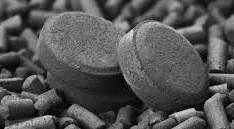
Activated carbon production in Nigeria represents a highly promising industrial and export-oriented investment opportunity driven by rising global demand for purification and filtration materials, increasing environmental awareness, expansion of water treatment infrastructure, growth in industrial processing activities, and the abundance of low-cost agricultural and carbon-rich raw materials within the country.
Activated carbon is a highly porous adsorbent material used extensively in water purification, air filtration, food and beverage processing, pharmaceutical manufacturing, mining operations, petrochemical refining, gold recovery, gas treatment, wastewater treatment, and environmental remediation.
Nigeria possesses significant competitive advantages for activated carbon production due to the availability of abundant raw materials such as palm kernel shells, coconut shells, wood charcoal, bamboo, sawdust, coal, and other agricultural waste materials suitable for carbonization and activation. Among these raw materials, palm kernel shell and coconut shell are particularly valuable because they produce high-quality activated carbon with excellent hardness, low ash content, and superior adsorption characteristics.
The growing international demand for biomass-based activated carbon presents substantial opportunities for Nigerian manufacturers to participate in both domestic and export markets. Increasing environmental regulations globally have accelerated demand for activated carbon products used in municipal water treatment, industrial wastewater management, air purification systems, food processing, and pharmaceutical applications. Nigeria’s strategic location within West Africa also creates opportunities for regional exports and import substitution within the African market.
This feasibility report evaluates the technical, operational, financial, commercial, and environmental viability of establishing an activated carbon production plant in Nigeria. The report examines market opportunities, production technologies, raw material availability, machinery requirements, financial projections, regulatory considerations, operational risks, and long-term investment prospects.
Activated carbon is a specialized form of carbon processed to possess an extremely high surface area and porous structure, enabling it to adsorb impurities, contaminants, chemicals, gases, odors, and dissolved substances from liquids and air streams. Due to its exceptional adsorption capacity, activated carbon is widely used across numerous industrial sectors and environmental applications.
Activated carbon can be produced from a variety of carbon-rich raw materials including coconut shell, palm kernel shell, wood, bamboo, coal, lignite, peat, sawdust, and agricultural residues. In Nigeria, the most commercially viable feedstocks include palm kernel shell and coconut shell because of their high carbon content, low ash composition, excellent hardness properties, and abundant availability.
The Nigerian industrial sector increasingly requires activated carbon for water purification, industrial filtration, beverage processing, pharmaceutical production, oil and gas processing, environmental management, and chemical manufacturing. However, a substantial portion of activated carbon used within Nigeria is still imported, creating strong opportunities for local production and import substitution.
The establishment of an activated carbon production facility in Nigeria offers multiple economic benefits including industrial development, agricultural waste utilization, export generation, environmental sustainability, employment creation, and value addition to locally available biomass resources.
The global activated carbon industry has experienced substantial growth due to increasing environmental regulations, industrial expansion, urbanization, and rising awareness regarding water and air quality. Activated carbon demand continues to rise across industries such as municipal water treatment, industrial wastewater treatment, pharmaceuticals, mining, food and beverage processing, petrochemicals, automotive manufacturing, and environmental remediation.
Globally, activated carbon is classified into several product categories including powdered activated carbon, granular activated carbon, pelletized activated carbon, impregnated activated carbon, and specialty activated carbon products designed for specific industrial applications. Coconut shell-based activated carbon is widely regarded as one of the highest-quality forms of activated carbon due to its superior adsorption efficiency, hardness, and regeneration capacity.
The activated carbon industry is increasingly shifting toward sustainable and renewable raw materials due to environmental concerns and growing restrictions on coal-based products. Biomass-derived activated carbon products produced from coconut shell and palm kernel shell are therefore gaining increasing international acceptance and market demand.
Nigeria’s activated carbon market remains underdeveloped despite rising domestic demand from water treatment companies, breweries, beverage manufacturers, oil and gas firms, pharmaceutical companies, environmental remediation contractors, mining operators, and industrial processing plants. The country currently depends heavily on imported activated carbon products, creating a substantial supply gap and investment opportunity for local manufacturers.
The demand for activated carbon in Nigeria continues to increase steadily due to industrial growth, population expansion, environmental regulation, and increasing investment in water treatment and pollution control systems. Municipal water treatment facilities, industrial wastewater treatment plants, beverage companies, breweries, pharmaceutical manufacturers, and chemical processing companies represent major consumers of activated carbon within the Nigerian market.
The oil and gas industry also constitutes a major source of demand due to the use of activated carbon in gas purification, solvent recovery, mercury removal, and industrial filtration processes. Gold mining and mineral processing operations increasingly require activated carbon for gold recovery and metallurgical applications.
The Nigerian food and beverage industry utilizes activated carbon in sugar refining, edible oil purification, beverage filtration, odor removal, and decolorization processes. Pharmaceutical manufacturers use activated carbon for purification, filtration, detoxification, and chemical processing applications.
Globally, activated carbon demand continues to expand due to stricter environmental standards, increasing investment in municipal water treatment infrastructure, rising industrialization, and growing adoption of air purification technologies. Export opportunities exist for Nigerian manufacturers targeting regional African markets, Europe, Asia, and the Middle East where demand for biomass-based activated carbon products continues to increase.
The market for activated carbon is highly influenced by product quality, adsorption performance, iodine value, hardness, ash content, particle size distribution, and packaging quality. Nigerian producers capable of achieving international quality standards can successfully compete within both domestic and export markets.
Nigeria possesses abundant raw material resources suitable for activated carbon production. Palm kernel shell is one of the most significant feedstocks due to the country’s large oil palm industry concentrated in states such as Akwa Ibom, Cross River, Rivers, Delta, Edo, Ondo, Imo, Abia, and Enugu. Palm oil processing activities generate substantial quantities of palm kernel shell as agricultural waste, much of which remains underutilized.
Coconut shell is another highly valuable feedstock due to its excellent carbon structure and low ash properties. Coconut cultivation and processing activities within coastal and southern regions of Nigeria generate significant quantities of coconut shell suitable for activated carbon production.
Additional raw materials available within Nigeria include sawdust, wood charcoal, bamboo, rice husk, coal, maize cobs, and other agricultural biomass residues. However, palm kernel shell and coconut shell remain the preferred materials for premium activated carbon production due to their superior hardness and adsorption characteristics.
The availability of low-cost agricultural waste materials significantly reduces raw material expenses and improves the commercial viability of activated carbon manufacturing operations within Nigeria.
Activated carbon production involves several carefully controlled industrial processes designed to create a highly porous carbon structure with strong adsorption properties. The production process begins with raw material collection, sorting, cleaning, drying, and size reduction to prepare the feedstock for carbonization.
Carbonization involves heating the raw material under controlled oxygen conditions at elevated temperatures to convert the biomass into char. During this process, volatile compounds are removed while the carbon structure is concentrated and stabilized.
Following carbonization, activation takes place to develop the porous structure and increase the internal surface area of the carbon material. Activation may be carried out using physical activation or chemical activation methods. Physical activation involves exposing the carbonized material to steam or carbon dioxide at high temperatures, while chemical activation utilizes activating agents such as phosphoric acid or potassium hydroxide.
After activation, the product undergoes cooling, washing, drying, grinding, screening, and packaging operations. Finished activated carbon products are classified according to particle size, adsorption characteristics, hardness, and intended industrial applications.
Strict quality control procedures are required throughout production to ensure compliance with industrial specifications and customer requirements. Laboratory testing is essential to evaluate iodine value, moisture content, ash content, bulk density, adsorption capacity, hardness, and particle size distribution.
Activated carbon production requires substantial investment in industrial machinery and processing equipment. Major equipment includes carbonization furnaces, rotary kilns, activation reactors, boilers, dryers, crushers, grinders, screening systems, cooling units, dust collection systems, conveyors, packaging machines, laboratory testing equipment, water treatment systems, and environmental control systems.
The choice of machinery depends on production capacity, activation method, product specifications, automation level, and intended market applications. Small and medium-scale plants may utilize semi-automated systems, while large industrial facilities often operate highly automated continuous production systems.
Energy supply infrastructure is critically important because activated carbon production requires high-temperature thermal processing. Reliable electricity, industrial fuel supply, steam generation systems, and backup power infrastructure are therefore essential operational requirements.
Plant layout design must ensure efficient material flow, process safety, environmental compliance, ventilation, dust control, and ease of equipment maintenance.
The location of an activated carbon production facility significantly influences raw material sourcing efficiency, transportation costs, operational expenses, and market access. Ideal locations should provide proximity to palm oil mills, coconut processing centers, transportation infrastructure, industrial utilities, labor availability, and export logistics facilities.
States such as Akwa Ibom, Rivers, Delta, Cross River, Ondo, Edo, Imo, Abia, and Lagos possess strong advantages due to their access to palm kernel shell supplies, industrial infrastructure, seaport connectivity, and commercial activities.
Proximity to export ports is particularly important for companies targeting international markets because activated carbon is widely traded globally. Industrial clusters also provide easier access to maintenance services, industrial gas suppliers, packaging manufacturers, and technical manpower.
Activated carbon production in Nigeria requires compliance with several regulatory and environmental requirements. Business registration must be completed through the Corporate Affairs Commission, while industrial permits and environmental approvals must be obtained from relevant government agencies.
Environmental regulations governing emissions control, wastewater treatment, air quality, and waste management are particularly important due to the thermal nature of activated carbon production processes. Compliance with standards established by the Federal Ministry of Environment and National Environmental Standards and Regulations Enforcement Agency is essential.
Manufacturers intending to export activated carbon products must also comply with international quality standards, export documentation requirements, packaging regulations, and product certification procedures established by export destination countries.
The Standards Organisation of Nigeria establishes industrial quality standards applicable to locally manufactured activated carbon products intended for domestic industrial applications.
Activated carbon production using agricultural waste materials offers significant environmental benefits through the conversion of biomass waste into valuable industrial products. Palm kernel shells and coconut shells that might otherwise be discarded or inefficiently burned can be transformed into high-value activated carbon products with extensive industrial applications.
The industry supports sustainable waste management practices, promotes circular economy principles, and contributes to environmental conservation by reducing agricultural waste accumulation. Biomass-derived activated carbon also offers environmental advantages over coal-based activated carbon due to its renewable feedstock origin.
However, activated carbon production generates emissions, dust, wastewater, and thermal energy consumption that require proper environmental management systems. Efficient emissions control technologies, wastewater treatment systems, dust collection units, and energy-efficient production technologies are therefore necessary to minimize environmental impact.
Sustainable forestry and responsible biomass sourcing practices are also important to ensure long-term raw material availability and environmental sustainability.
Activated carbon manufacturing requires skilled technical, operational, administrative, and marketing personnel. Technical staff include production engineers, process operators, laboratory analysts, maintenance technicians, quality control officers, and environmental compliance specialists.
Administrative personnel include accountants, procurement officers, warehouse managers, logistics coordinators, human resource managers, and sales personnel. Export-oriented operations may also require international marketing specialists and export documentation officers.
Employee training is essential because activated carbon production involves thermal processing operations, industrial safety procedures, environmental compliance requirements, and advanced quality control systems. Continuous technical development and operational training programs help improve efficiency, product quality, and workplace safety.
Activated carbon production is a moderately capital-intensive industrial project requiring investment in land acquisition, factory construction, thermal processing equipment, utility infrastructure, environmental control systems, packaging equipment, and working capital.
Major startup expenses include machinery procurement, installation, utility systems, raw material sourcing, warehouse development, laboratory setup, staffing, and regulatory approvals. Operating expenses include raw materials, fuel, electricity, labor, maintenance, packaging, transportation, and quality testing.
Raw material costs are relatively low due to the use of agricultural waste feedstocks such as palm kernel shell and coconut shell. However, energy costs represent a significant operational expense because of the high-temperature activation processes involved.
Revenue generation depends on production volume, product quality, market penetration, export pricing, and customer demand. Premium activated carbon products designed for specialized industrial applications generally command higher profit margins than standard filtration products.
The profitability of the business improves significantly when export markets are developed because international activated carbon prices are generally higher than domestic market prices. Efficient energy management, high production yields, and strong quality control systems also contribute significantly to profitability.
Activated carbon production in Nigeria faces several operational and financial risks including energy costs, exchange rate volatility, infrastructure limitations, export market fluctuations, and quality control challenges. Thermal processing operations require substantial energy consumption, making fuel and electricity costs major operational considerations.
Competition from imported activated carbon products may also affect pricing and market penetration. However, locally produced activated carbon possesses significant competitive advantages due to lower transportation costs, local raw material availability, and growing demand for biomass-based products.
Additional risks include fluctuations in raw material supply, environmental compliance requirements, transportation bottlenecks, equipment maintenance challenges, and international market competition. Effective risk management strategies including diversified sourcing, energy optimization, strong quality assurance systems, and market diversification are essential for sustainable operations.
Investment Opportunities and Future Outlook
The future outlook for activated carbon production in Nigeria remains highly promising due to increasing global demand for filtration and purification materials, rising environmental awareness, expansion of industrial wastewater treatment infrastructure, and increasing adoption of sustainable biomass-based activated carbon products.
Strong opportunities exist in export-oriented production targeting regional African markets, Europe, Asia, and the Middle East. Increasing demand for activated carbon in gold mining, water treatment, food processing, pharmaceuticals, and air purification systems creates substantial long-term market potential.
Technological modernization, energy-efficient production systems, advanced activation methods, and high-quality product development will increasingly determine competitiveness within the industry. Companies capable of achieving international quality standards and efficient production systems can establish strong market positions within both domestic and international markets.
Nigeria’s abundant agricultural waste resources, expanding industrial sector, and strategic export location position the country favorably for long-term growth within the activated carbon industry.
Activated carbon production in Nigeria represents a technically feasible, commercially viable, environmentally sustainable, and export-oriented industrial investment opportunity. The country possesses abundant raw material resources, increasing domestic demand, strong export potential, and growing opportunities for import substitution within the filtration and purification materials industry.
The use of palm kernel shell and coconut shell as raw materials provides significant competitive advantages due to their low cost, abundant availability, superior adsorption characteristics, and increasing global preference for biomass-derived activated carbon products.
Although the industry faces challenges relating to energy costs, infrastructure limitations, quality control requirements, and international competition, substantial profitability remains achievable through efficient production systems, strong technical management, high-quality product development, and effective market penetration strategies.
The long-term growth prospects for the industry remain strong due to rising global environmental regulations, increasing industrial filtration requirements, expanding water treatment investments, and growing international demand for sustainable activated carbon products. Investors capable of establishing modern production facilities, maintaining international quality standards, and developing strong export networks can achieve significant long-term returns within Nigeria’s emerging activated carbon manufacturing sector.
Custom Research Request
Still haven't found what you're looking for?
Speak to our Custom Research Team.
Table of Contents
EXECUTIVE SUMMARY 1.0 Business Overview 1.1 Description of the Business 1.2 Vision and Mission Statement 1.3 Business Objective 1.4 Value Proposition 1.5 Critical Success Factor of the Business 1.6 Current Status of Business 1.7 Description of the Business Industry 1.8 Contribution to Local and National Economy 2. Marketing Plan 2.1 Description of the Products 2.2 Product Packaging and Delivery 2.3 The Opportunity 2.4 Pricing Strategy 2.5 Target Market 2.6 Distribution and Delivery Strategy 2.7 Promotional Strategy 2.8 Competition 3. Production Plan 3.1 Description of the Location 3.2 Raw Materials 3.3 Production Facilities and Equipment 3.4 Production Process 3.5 Production Cost 3.6 Stock Control Process 3.7 Pre-Operating Activities and Expenses 3.7.1 Operating Activities and Expenses 3.8 Project Implementation Schedule 4.0 Organizational and Management Plan 4.1 Ownership of the Business 4.2 Profile of the Promoters 4.3 Key Management Staff 4.3.2 Management Support Units 4.4 Details of Salary Schedule 5. Financial Plan 5.1 Financial Assumption 5.2 Start-Up Capital Estimation 5.3 Source of Capital 5.4 Security of Loan 5.5 Loan Repayment Plan 5.6 Profit and Loss Statement 5.7 Cash flow Statement 5.8 Viability Analysis 6.0 Business Risks, Mitigation Strategies and SWOT Analysis 6.1 Business Risks and Mitigation Strategies 6.2 SWOT Analysis
Project Specification:
Additional Info
Get this Report
Direct bank transfer
To order the report, Please do pay the sum of ₦500,000 into
Account Name : Foraminifera Market Research Ltd
Account Number : 274 20 569 37
Account Name : Foraminifera Market Research Ltd
Account Number : 101 76 603 95
Account Name : Foraminifera Ventures
Account Number : 011 66 066 32
Make your payment directly into our bank account. Please use your Order ID as the payment reference. Your order will not be shipped until the funds have cleared in our account.
Instructions
After payment call us on 01 -29 52 413 / 08033782777 or email us at foraminiferamarketresearch@yahoo.com with the payment details. After payment confirmation, the soft copy of the report would be sent to you within 24 hours.