
Feasibility Report on Sulfuric Acid (H₂SO₄) Production in Nigeria
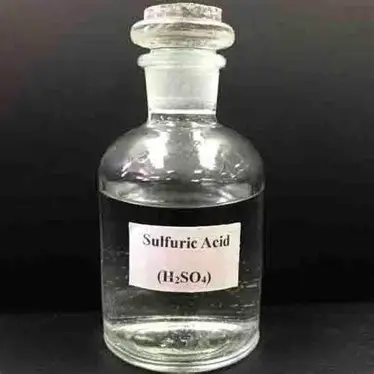
Sulfuric acid (H₂SO₄) is one of the most widely produced and extensively utilized industrial chemicals in the world. It is a highly corrosive mineral acid known for its strong acidic properties, oxidizing strength, and dehydrating ability. Composed of hydrogen, sulfur, and oxygen, sulfuric acid is commonly produced in concentrations ranging from ninety-three percent to ninety-eight percent (93–98%), while a more concentrated form containing excess sulfur trioxide is referred to as oleum or fuming sulfuric acid.
Sulfuric acid occupies a strategic position in modern industrial development due to its broad range of applications across numerous sectors, including fertilizer manufacturing, chemical processing, petroleum refining, metal treatment, mining, textile production, and lead-acid battery manufacturing. Owing to its widespread industrial use, the level of sulfuric acid consumption in a country is often regarded as a reliable indicator of industrialization and economic advancement.
The production of sulfuric acid is based on the conversion of sulfur-bearing materials into sulfur dioxide (SO₂), which is subsequently oxidized to sulfur trioxide (SO₃) and absorbed to form sulfuric acid. The principal raw materials used for sulfuric acid production include elemental sulfur, pyrite ore, and sulfur-rich off-gases generated from metal smelting operations. Among these, elemental sulfur remains the most widely used feedstock in modern plants because of its high purity, ease of handling, and efficient conversion process.
Pyrite ore, chemically known as iron disulfide (FeS₂), also serves as an important source of sulfur, especially in regions where the mineral occurs in commercial quantities. In addition, sulfur dioxide gases generated from copper, zinc, and other base-metal smelters can be captured and converted into sulfuric acid, thereby creating an integrated and environmentally beneficial linkage between metallurgical and chemical industries. In Nigeria, the occurrence of pyrite and other sulfur-bearing minerals presents a significant opportunity for the development of local sulfuric acid production using indigenous raw materials.
Modern sulfuric acid production is predominantly carried out using the Contact Process, particularly the advanced Double Contact Double Absorption (DCDA) technology, which offers high conversion efficiency and reduced atmospheric emissions. In this process, sulfur or sulfur dioxide-rich gases are catalytically oxidized to sulfur trioxide using catalysts such as vanadium pentoxide (V₂O₅) or platinum. The sulfur trioxide produced is then absorbed into concentrated sulfuric acid or water to form sulfuric acid.
The DCDA process incorporates multiple catalytic conversion stages, inter-stage cooling systems, and dual absorption towers to maximize sulfur dioxide conversion efficiency. Modern plants utilizing this technology can achieve conversion efficiencies exceeding ninety-nine point five percent (99.5%) while significantly minimizing sulfur dioxide emissions. Furthermore, sulfuric acid plants are designed with heat recovery systems that generate steam and electrical power from process heat, thereby improving overall energy efficiency and reducing operating costs.
Sulfuric acid is produced in several grades depending on its intended application. The standard concentrated grade, containing approximately ninety-three percent to ninety-eight percent (93–98%) acid, is the most commonly used form and finds extensive application in fertilizer production, metal cleaning and pickling, petroleum refining, and general chemical processing. Oleum, or fuming sulfuric acid, contains dissolved sulfur trioxide and is used in specialized industrial operations such as nitration reactions, explosives manufacturing, and advanced chemical synthesis. In many industrial facilities, oleum is produced as an intermediate product prior to dilution into standard sulfuric acid grades.
The industrial applications of sulfuric acid are extensive and diverse. The fertilizer industry remains the largest consumer, utilizing sulfuric acid primarily in the production of phosphate fertilizers. It is also widely used in the manufacture and recycling of lead-acid batteries, metal treatment and pickling operations, textile dyeing, detergent production, petroleum refining, and numerous chemical manufacturing processes, including alkylation and chlorination. In the mining industry, sulfuric acid is essential for ore leaching and metal extraction processes. It also plays a critical role in water treatment and several other industrial applications. Due to its broad industrial relevance, demand for sulfuric acid is closely linked to the pace of industrial growth and economic expansion.
The global sulfuric acid market continues to experience significant growth, driven largely by rising fertilizer demand, expanding mining activities, and increasing chemical manufacturing worldwide. The global sulfuric acid market size is estimated at approximately USD 16.83 billion in 2025 and is projected to exceed USD 33.90 billion by 2034, growing at a compound annual growth rate (CAGR) of about 8.1% during the forecast period. The Asia-Pacific region accounts for the largest share of global consumption due to rapid industrialization, agricultural expansion, and strong manufacturing activities, followed by North America and Europe. Emerging economies continue to drive global demand as industrialization and food production requirements increase.
In Nigeria, sulfuric acid is extensively used in fertilizer blending and production, lead-acid battery manufacturing, metal processing, textile operations, chemical industries, and mining activities. Despite the growing domestic demand, local production capacity remains limited, resulting in heavy dependence on imported sulfuric acid and imported feedstocks such as elemental sulfur. This dependence exposes local industries to foreign exchange volatility, supply chain disruptions, and higher production costs. However, the ongoing expansion of Nigeria’s fertilizer industry, increasing mining activities, and growing demand for automotive and industrial batteries provide substantial opportunities for investment in domestic sulfuric acid production.
Nigeria possesses several favorable conditions for the development of a viable sulfuric acid industry. The presence of pyrite deposits and sulfur-bearing minerals in different parts of the country offers potential raw material sources for local production. In addition, the growth of fertilizer manufacturing plants, battery production facilities, mining operations, and metal-processing industries provides a ready domestic market for sulfuric acid consumption. Sulfuric acid production can also be effectively integrated with mining operations, metal smelters, and battery recycling facilities, thereby promoting industrial synergy, waste minimization, and value addition.
Nevertheless, the establishment of sulfuric acid production facilities involves several critical challenges. Sulfuric acid plants are capital-intensive and require modern process technology, efficient catalytic systems, and strict environmental management infrastructure. Adequate and reliable access to power, feedstock supply, water, transportation, and skilled technical manpower is essential for sustainable operation. Furthermore, sulfuric acid production involves significant environmental and occupational safety considerations, particularly in relation to sulfur dioxide emissions, acid handling, corrosion management, and waste disposal. Compliance with environmental regulations governing emissions control, safe storage, and hazardous material management is therefore essential in plant design and operation.
Despite these challenges, the long-term prospects for sulfuric acid production in Nigeria remain highly promising. Increasing demand for fertilizers to support agricultural productivity, the ongoing drive for industrial diversification, and government policies promoting local manufacturing collectively support the growth of the sulfuric acid industry. The availability of local raw materials such as pyrite, coupled with opportunities for integration with mining and battery recycling operations, provides viable pathways for sustainable industrial development. In addition, the adoption of modern Double Contact Double Absorption (DCDA) technology offers improved operational efficiency, reduced emissions, enhanced energy recovery, and competitive production costs.
Sulfuric acid production therefore represents a strategic industrial investment opportunity for Nigeria. Its importance across key sectors such as agriculture, mining, manufacturing, energy storage, and chemical processing makes it an indispensable component of industrial and economic development. The establishment of local sulfuric acid production facilities would not only reduce dependence on imports and conserve foreign exchange, but also stimulate backward integration, create employment opportunities, encourage technology transfer, and strengthen the country’s industrial base.
This report is designed to examine the financial viability and economic potential of establishing an automated sulfuric acid (H₂SO₄) production plant in Ebonyi State, Nigeria.
Custom Research Request
Still haven't found what you're looking for?
Speak to our Custom Research Team.
Table of Contents
EXECUTIVE SUMMARY 1.0 Business Overview 1.1 Description of the Business 1.2 Vision and Mission Statement 1.3 Business Objective 1.4 Value Proposition 1.5 Critical Success Factor of the Business 1.6 Current Status of Business 1.7 Description of the Business Industry 1.8 Contribution to Local and National Economy 2. Marketing Plan 2.1 Description of the Products 2.2 Product Packaging and Delivery 2.3 The Opportunity 2.4 Pricing Strategy 2.5 Target Market 2.6 Distribution and Delivery Strategy 2.7 Promotional Strategy 2.8 Competition 3. Production Plan 3.1 Description of the Location 3.2 Raw Materials 3.3 Production Facilities and Equipment 3.4 Production Process 3.5 Production Cost 3.6 Stock Control Process 3.7 Pre-Operating Activities and Expenses 3.7.1 Operating Activities and Expenses 3.8 Project Implementation Schedule 4.0 Organizational and Management Plan 4.1 Ownership of the Business 4.2 Profile of the Promoters 4.3 Key Management Staff 4.3.2 Management Support Units 4.4 Details of Salary Schedule 5. Financial Plan 5.1 Financial Assumption 5.2 Start-Up Capital Estimation 5.3 Source of Capital 5.4 Security of Loan 5.5 Loan Repayment Plan 5.6 Profit and Loss Statement 5.7 Cash flow Statement 5.8 Viability Analysis 6.0 Business Risks, Mitigation Strategies and SWOT Analysis 6.1 Business Risks and Mitigation Strategies 6.2 SWOT Analysis
Project Specification:
Additional Info
Get this Report
Direct bank transfer
To order the report, Please do pay the sum of ₦1,850,000 into
Account Name : Foraminifera Market Research Ltd
Account Number : 274 20 569 37
Account Name : Foraminifera Market Research Ltd
Account Number : 101 76 603 95
Account Name : Foraminifera Ventures
Account Number : 011 66 066 32
Make your payment directly into our bank account. Please use your Order ID as the payment reference. Your order will not be shipped until the funds have cleared in our account.
Instructions
After payment call us on 01 -29 52 413 / 08033782777 or email us at foraminiferamarketresearch@yahoo.com with the payment details. After payment confirmation, the soft copy of the report would be sent to you within 24 hours.