
How To Make Money Cultivating, Buying And Selling Of Cassava Tubers In Nigeria
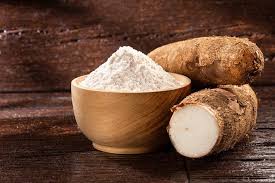
Cassava is one of the most important root crops in Nigeria and a staple food for millions of households across the country. Known for its versatility and resilience, cassava thrives in diverse soil types and ecologies, making it suitable for cultivation in virtually all states of Nigeria. Major cassava-producing states include Benue, Kogi, Cross River, Ondo, Edo, Delta, Imo, Ogun, Oyo, and Akwa Ibom, among others. Nigeria is currently the largest producer of cassava in the world, with an estimated annual production of about 40 million tonnes.
Cassava serves multiple purposes in Nigeria, ranging from direct food consumption to industrial applications. Common food products derived from cassava include garri, cassava flour, fufu, starch, and chips, which form the backbone of the country’s staple diet. Beyond its food uses, cassava is increasingly being utilized for industrial applications such as ethanol production, adhesives, dextrin, paper, textiles, and other starch-based industrial products. Its versatility makes it a key commodity for both the agricultural and industrial sectors.
Ethanol and Renewable Energy Initiatives
The Nigerian National Petroleum Corporation (NNPC) initiated a national ethanol program in August 2005 under the Automotive Biomass Ethanol Programme. The objective of the program was to explore biomass sources, including cassava and sugarcane, for fuel ethanol production. The initiative focused on establishing 10,000 hectares of cassava and 20,000 hectares of sugarcane, targeting fuel-grade ethanol that can be blended with petrol in proportions not exceeding 10%. This effort aimed to reduce domestic petrol consumption, free up crude oil for export, and improve automotive emissions by reducing carbon dioxide output, thereby promoting cleaner air and minimizing environmental health hazards.
The program aligns with Nigeria’s energy reform plan, which aims to generate 735 megawatts of electricity from renewable energy sources by 2015, leveraging biomass-based power projects and non-conventional energy sources, including cassava. These initiatives highlight the strategic role of cassava not just as a food staple but as a renewable energy resource that can contribute to Nigeria’s energy mix and environmental sustainability goals.
Market Demand for Cassava Products
The demand for cassava-based products in Nigeria remains high. The federal government’s policy on cassava flour inclusion in wheat flour for composite flour production has fueled growth in bread and confectionery industries, creating consistent demand for cassava flour. Similarly, cassava starch is in high demand across multiple industrial sectors, including textiles, oil drilling, adhesives, pharmaceuticals, beverages, and confectioneries. Garri, as a staple food, continues to maintain strong consumption levels among households nationwide.
Despite its widespread cultivation, there remains a significant opportunity to upgrade cassava into a fully industrialized commodity. At the farm level, cassava is cultivated by smallholder and commercial farmers. Processors then convert the harvested roots into chips, flour, pellets, and starch, which are used by agro-industries to produce higher-value products such as ethanol, dextrin, adhesives, and modified starch for paper, textiles, and other industrial applications. These products eventually reach both industrial and consumer markets, creating a complete value chain from farm to factory to market.
Business Opportunities and Investment Potential
Cassava trading and processing present lucrative opportunities for entrepreneurs in Nigeria. The operations are labor-efficient, requiring only 1–2 personnel for procurement and sales, though a single individual can manage the entire process in small-scale operations. With increasing urbanization, a growing population, and rising industrial demand, the market for cassava-based products continues to expand.
Investing in cassava processing and trading offers a rate of return of 10%–15% per transaction, depending on market conditions and scale of operations. The combination of abundant raw material, government incentives, high domestic demand, and emerging industrial applications makes cassava a highly attractive investment opportunity. Entrepreneurs can leverage this natural resource to meet both local and industrial demands while contributing to Nigeria’s economic diversification and food security objectives.
In conclusion, cassava is no longer just a staple food; it is a strategic crop that underpins Nigeria’s agro-industrial growth. From food consumption to ethanol production, adhesives, starch-based industries, and renewable energy, the opportunities for leveraging cassava are immense. Proper investment in mechanized farming, processing infrastructure, and value addition can ensure high returns while supporting national goals of import substitution, industrialization, and sustainable development.
Custom Research Request
Still haven't found what you're looking for?
Speak to our Custom Research Team.
Table of Contents
Executive Summary 1.1 Business Opportunity 1.2 Country Background 2. Technical Analysis 2.1 The Project 2.2 Product Description 2.3 Product Location and Distribution 2.4 Legal Considerations 3. Opportunity 3.1 Market Overview 3.2 Demand and Supply 3.3 Customer Profile 3.4 Primary Competition 4. Socio- Economic and SWOT Analysis of the Project 4.1.1 Generation of Employment 4.1.2 Source of Government Revenue 4.1.3 Foreign Exchange Generation 4.1.4 Technological Transfer 4.1.5 Increase in Gross Domestic Product (GDP) 4.2 SWOT Analysis 5. Risk Identification and Mitigation Strategy 5.2 Critical Success Factor 6. Financial Analysis
Project Specification:
Additional Info
Get this Report
Direct bank transfer
To order the report, Please do pay the sum of ₦10,000 into
Account Name : Foraminifera Market Research Ltd
Account Number : 274 20 569 37
Account Name : Foraminifera Market Research Ltd
Account Number : 101 76 603 95
Account Name : Foraminifera Ventures
Account Number : 011 66 066 32
Make your payment directly into our bank account. Please use your Order ID as the payment reference. Your order will not be shipped until the funds have cleared in our account.
Instructions
After payment call us on 01 -29 52 413 / 08033782777 or email us at foraminiferamarketresearch@yahoo.com with the payment details. After payment confirmation, the soft copy of the report would be sent to you within 24 hours.