
Production Of Wheat Flour In Nigeria, The Pre-Feasibility Report
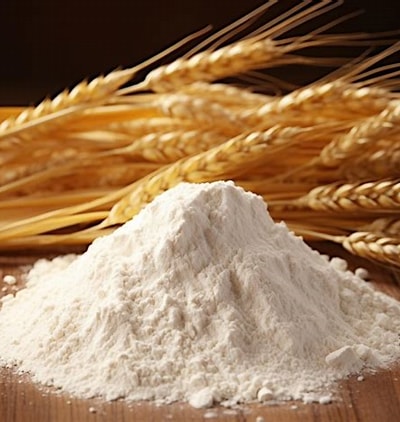
Wheat flour production is one of the most significant agro-processing industries in Nigeria because of the high consumption of wheat-based foods across the country. Products such as bread, noodles, pasta, biscuits, cakes, and pastries rely heavily on wheat flour as their primary raw material. With Nigeria’s rapidly growing population, expanding urban centers, and increasing demand for convenience foods, the market for wheat flour continues to expand steadily. As a result, establishing a wheat flour production plant in Nigeria represents a promising and viable investment opportunity.
Wheat flour is a finely milled powder obtained from grinding wheat grains. It is widely used in both household cooking and large-scale food processing industries. In Nigeria, wheat flour is a critical ingredient for bakeries, fast food outlets, noodle manufacturers, biscuit factories, and pastry producers. The flour milling industry converts wheat grains into flour through a process that separates the edible flour from bran and other components of the grain. Apart from flour, the milling process also produces by-products such as wheat bran and wheat middlings, which are commonly used in the animal feed industry. These by-products provide additional sources of revenue for flour milling companies and help improve the profitability of the business.
There are several types of wheat flour produced for different food applications. Bread flour, which contains higher protein levels, is primarily used for baking bread and other yeast-based products. All-purpose flour is commonly used in households and bakeries because of its versatility in producing a wide range of baked goods such as pastries, biscuits, and cakes. Cake flour has a finer texture and lower protein content, making it ideal for cakes and confectionery products. Semolina flour is a coarser form of wheat flour mainly used in the production of pasta and noodles, while whole wheat flour is produced from the entire wheat grain and is often preferred by consumers seeking healthier or high-fiber food options.
The production of wheat flour involves several processing stages. The first stage is cleaning, where impurities such as stones, dust, and other foreign materials are removed from the wheat grains. The cleaned grains then undergo conditioning, where controlled moisture is added to soften the grain and improve milling efficiency. The grains are subsequently milled using roller mills that grind the wheat and separate the flour from the bran and germ. The resulting flour is then sieved and blended to obtain different grades and qualities depending on the intended application. Finally, the flour is packaged in bags of various sizes for distribution to wholesalers, retailers, bakeries, and food manufacturers. Modern flour mills rely on automated equipment to ensure high productivity, consistent product quality, and efficient operations.
Nigeria has one of the largest wheat flour markets in Africa. Wheat is currently the third most consumed grain in the country after rice and maize. The demand for wheat flour continues to increase due to the popularity of wheat-based foods, particularly bread. Bread accounts for a significant portion of flour consumption, followed by biscuits, pastries, noodles, and other processed foods. Nigeria consumes millions of tonnes of wheat annually, but local wheat production contributes only a small portion of this demand. Consequently, the country relies heavily on imported wheat to support the flour milling industry.
The growing population of Nigeria, which exceeds 200 million people, is a major driver of wheat flour demand. Urbanization has also played a significant role, as urban residents tend to consume more processed and convenience foods compared to rural populations. The expansion of bakeries, restaurants, fast food chains, and food processing companies has further increased the demand for wheat flour. In addition, the popularity of instant noodles and packaged bakery products among younger consumers has contributed to sustained growth in the flour market.
The wheat flour industry in Nigeria operates within a regulatory framework designed to ensure product safety and quality. Agencies such as the National Agency for Food and Drug Administration and Control regulate food processing activities and ensure that flour products meet health and safety standards before they are sold in the market. The Standards Organisation of Nigeria is responsible for establishing quality standards for flour production and packaging, while the Federal Ministry of Agriculture and Food Security oversees policies related to agricultural development and raw material supply. Compliance with these regulatory requirements is necessary for the successful operation of a flour milling business.
Despite the strong demand for wheat flour, the industry faces certain challenges. One of the most significant challenges is Nigeria’s dependence on imported wheat, which exposes flour millers to fluctuations in foreign exchange rates and global wheat prices. High capital requirements also present a barrier for new investors because establishing a modern flour milling plant requires substantial investment in specialized equipment and infrastructure. In addition, infrastructure challenges such as unreliable power supply and high transportation costs can increase operational expenses.
Nevertheless, the prospects for wheat flour production in Nigeria remain highly attractive. The large gap between domestic demand and supply creates significant opportunities for investors to establish new milling plants. Government initiatives aimed at improving local wheat production and supporting agro-industrial development may also help reduce dependence on imports over time. Furthermore, the continuous expansion of the bakery, snack, and processed food industries guarantees long-term demand for wheat flour.
Wheat flour production in Nigeria represents a viable and profitable agribusiness opportunity due to the country’s large population, strong demand for wheat-based foods, and the expanding food processing sector. Although challenges such as reliance on imported wheat and infrastructure limitations exist, the overall market potential remains strong. Investors who establish efficient production systems and develop strong distribution networks can benefit significantly from the growing demand for wheat flour across Nigeria.
Custom Research Request
Still haven't found what you're looking for?
Speak to our Custom Research Team.
Table of Contents
Table of Contents: EXECUTIVE SUMMARY 1.0 Business Overview 1.1 Description of the Business 1.2 Vision and Mission Statement 1.3 Critical Success Factor of the Business 1.4Current Status of Business 1.5 Description of the Business Industry 1.6 Contribution to Local and National Economy 2. Marketing Plan 2.1 Description of the Product 2.2 Product Packaging and Delivery 2.3 The Opportunity 2.4 Pricing Strategy 2.5 Target Market 2.6 Distribution and Delivery Strategy 2.7 Promotional Strategy 2.8 Competition 3. Production Plan 3.1 Description of the Location 3.2 Raw Materials 3.3 Production Equipment 3.4 Production Process 3.5 Production Cost 3.6 Stock Control Process 3.7 Pre-Operating Activities and Expenses 3.7.1 Operating Activities and Expenses 3.8 Project Implementation Schedule 4.0 Organizational and Management Plan 4.1 Ownership of the Business 4.2 Profile of the Promoters 4.3 Key Management Staff 4.3.2 Management Support Units 4.4 Details of Salary Schedule 5. Financial Plan 5.1 Financial Assumption 5.2 Start Up Capital Estimation 5.3 Source of Capital 5.4 Security of Loan 5.5 Loan Repayment Plan 5.6 Profit and Loss Analysis 5.7 Cash flow Analysis 5.8 Viability Analysis 6.0 Business Risks, Mitigation Strategies and SWOT Analysis 6.1 Business Risks and Mitigation Strategies 6.2 SWOT Analysis
Project Specification:
Additional Info
Get this Report
Direct bank transfer
To order the report, Please do pay the sum of ₦1,850,000 into
Account Name : Foraminifera Market Research Ltd
Account Number : 274 20 569 37
Account Name : Foraminifera Market Research Ltd
Account Number : 101 76 603 95
Account Name : Foraminifera Ventures
Account Number : 011 66 066 32
Make your payment directly into our bank account. Please use your Order ID as the payment reference. Your order will not be shipped until the funds have cleared in our account.
Instructions
After payment call us on 01 -29 52 413 / 08033782777 or email us at foraminiferamarketresearch@yahoo.com with the payment details. After payment confirmation, the soft copy of the report would be sent to you within 24 hours.